


316 Stainless Steel Coil: Core Characteristics
Dec 31, 2025
Deixe um recado
Q1: What are the key characteristics of 316 stainless steel coils?
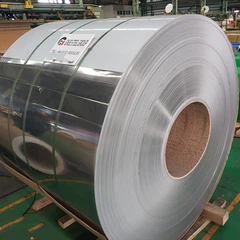
A1: Key characteristics include: 1. Uniform thickness and width, ensuring consistent performance of processed products. 2. Excellent ductility and formability, facilitating uncoiling, cutting, and stamping. 3. Superior corrosion resistance, consistent with 316 grade standards, suitable for harsh environment applications. 4. High roll density, enabling large-scale continuous processing and reducing production costs. 5. Customizable specifications (thickness, width, coil weight) to meet diverse processing needs.
Q2: What are the common specifications of 316 stainless steel coils?
A2: Common thickness ranges from 0.1mm to 3.0mm, width from 1000mm to 1500mm (standard widths: 1000mm, 1220mm). Coil weight typically ranges from 5 tons to 15 tons (lightweight coils of 1-5 tons are available for small-scale processing). The inner diameter of the coil is usually 508mm or 610mm, compatible with standard uncoiling equipment. Surface finishes include 2B, BA, and No. 1 (hot-rolled).
Q3: What are the main applications of 316 stainless steel coils?
A3: Primary applications: 1. Pipe manufacturing: Raw material for 316 stainless steel welded pipes (seamless pipe blanks for thin-walled coils). 2. Sheet processing: Slitting and flattening into 316 stainless steel sheets of various sizes. 3. Stamping parts: Manufacturing auto parts (exhaust components), marine hardware, chemical equipment accessories, and food machinery parts. 4. Conveyor belts: Used in food processing and marine logistics conveyor belts requiring corrosion resistance. 5. Architectural decoration: Processing into decorative strips, profiles, and cladding panels.
Q4: What are the precautions for storing 316 stainless steel coils?
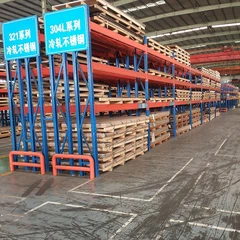
A4: Storage precautions: 1. Store in a dry, well-ventilated warehouse with humidity <=60% to avoid moisture and corrosion. 2. Place coils horizontally on wooden pallets to prevent deformation; ensure pallets are flat and stable. 3. Separate from carbon steel coils and corrosive substances (e.g., acids, alkalis) to prevent galvanic corrosion and chemical contamination. 4. Cover coils with waterproof, dustproof cloth to protect the surface from scratches and dust. 5. Avoid direct sunlight and extreme temperature changes to prevent surface oxidation.
Q5: What should be noted during uncoiling and slitting of 316 stainless steel coils?
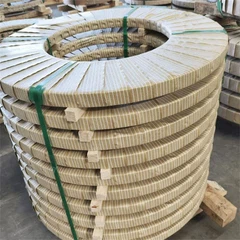
A5: Uncoiling and slitting notes: 1. Use professional uncoiling equipment with adjustable tension to avoid excessive stress and deformation. 2. Install a surface cleaning device to remove oil stains and dust from the coil surface before processing. 3. Use sharp, high-hardness slitting blades to ensure smooth cutting edges and avoid burrs. 4. Control slitting speed (30-50m/min) to prevent overheating and surface scratches. 5. Collect and arrange the slit strips promptly to avoid collision and surface damage.


Enviar inquérito